Chicken Lo Mein vs. Chow Mein: Your Saucy Noodle Guide
Few dishes evoke the comfort and joy of Chinese takeout quite like a generous plate of noodles. Among the most beloved options are Chicken Lo Mein and Chow Mein, two seemingly similar dishes that, in reality, offer distinct culinary experiences. While both feature stir-fried noodles and savory ingredients, their preparation methods, textures, and sauce levels set them apart. If you've ever found yourself pondering the difference between these two noodle titans, you're in the right place. This guide will unravel the mysteries, highlight their unique charms, and perhaps inspire you to master the art of homemade Chicken Lo Mein in just 30 minutes.
Chicken Lo Mein: A Deep Dive into Saucy Goodness
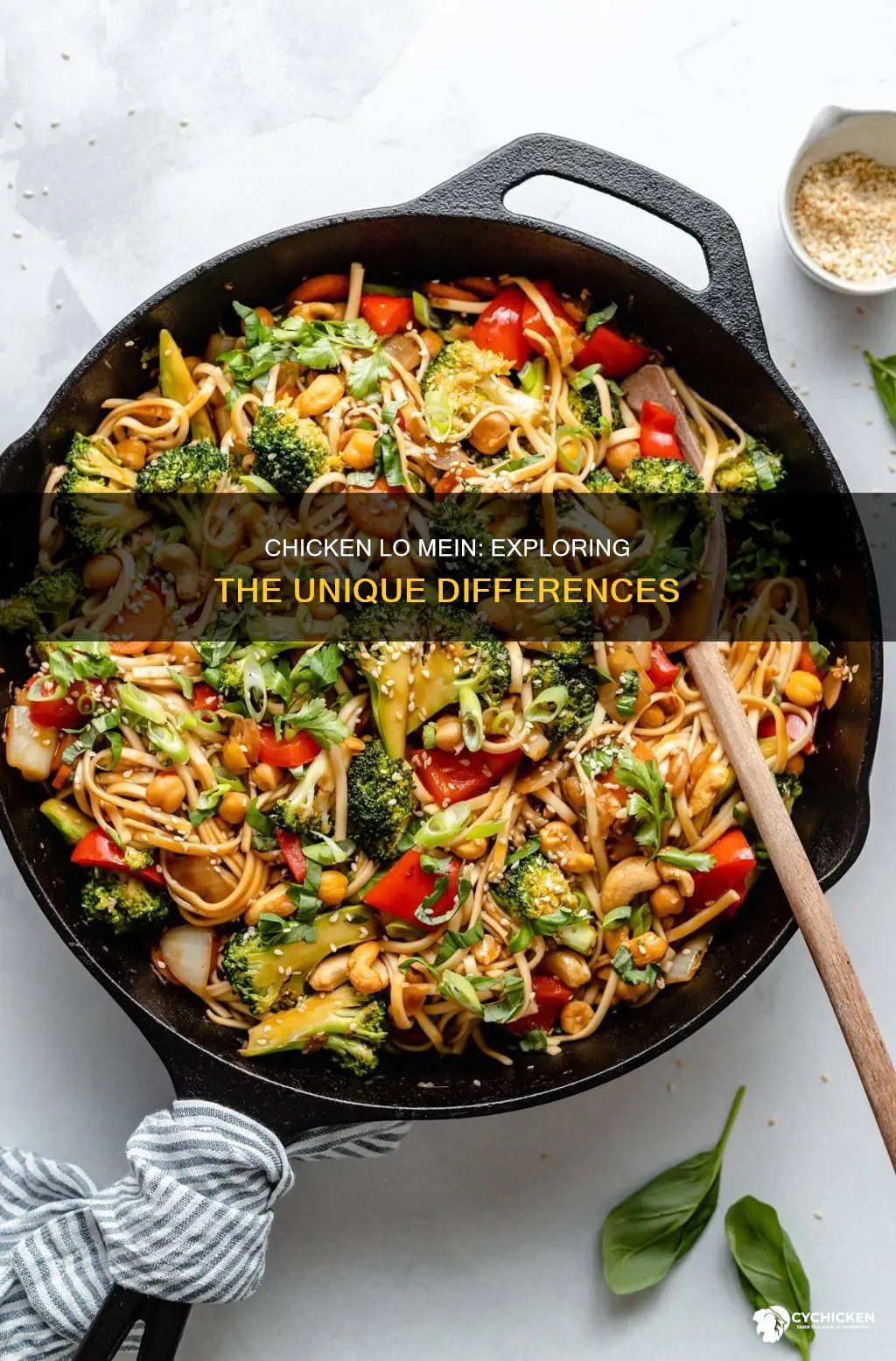
At its heart, Chicken Lo Mein is a celebration of soft, slippery noodles generously coated in a rich, savory sauce, brimming with juicy chicken and crisp-tender vegetables. The term "lo mein" itself, originating from Cantonese "lou min," translates to "stirred noodles"—a perfect description for this dish where pre-boiled noodles are tossed vigorously with the other ingredients and a luscious sauce.
For many, Chicken Lo Mein is more than just a dish; it's a quiet champion on the takeout menu, consistently delivering a deeply satisfying experience. Its enduring popularity stems from its perfect balance: it's quick to prepare, incredibly flavorful, and achieves that coveted takeout taste right in your own kitchen, often without the guilt or MSG bloat associated with restaurant versions.
The Star of the Show: Perfectly Cooked Chicken
The chicken in Chicken Lo Mein is crucial for both texture and flavor. While chicken breast is a popular choice for its quick cooking time and ability to absorb flavors, chicken thighs offer a juicier alternative if you prefer. The key, regardless of your choice, is to slice the chicken thinly. This ensures it cooks rapidly and remains tender, preventing it from drying out. A pro tip: if you want that beautiful sear without overcrowding, cook your chicken in batches if your pan isn't large enough to give each piece space.
Even a brief marination can elevate your chicken significantly. A mere 10-15 minutes in a simple mixture of soy sauce, minced garlic, and grated ginger works wonders. This quick soak seasons the chicken from the inside out, creating a noticeable difference in flavor compared to cooking it straight from the fridge. It's a small step that yields big rewards, making every bite of your homemade Chicken Lo Mein burst with taste.
The Glorious Sauce: A Symphony of Flavors
What truly defines Chicken Lo Mein is its signature glossy, clingy sauce. This isn't just a liquid; it's a meticulously balanced blend that hits every note: salty, sweet, umami, and aromatic. The magic often lies in a combination of ingredients like regular soy sauce, dark soy sauce, oyster sauce, hoisin sauce, a touch of brown sugar, toasted sesame oil, and a dash of white pepper. Each component plays a vital role:
- Dark Soy Sauce: This is a secret weapon for authenticity. It not only imparts a beautiful, deep, rich color to your noodles but also adds an extra layer of umami complexity. While regular soy sauce works in a pinch, you'll find your noodles look and taste much closer to restaurant quality with dark soy sauce.
- Oyster and Hoisin Sauce: These provide depth, sweetness, and that unmistakable savory richness that forms the backbone of many classic Chinese dishes.
- Brown Sugar: Balances the savory notes and helps the sauce caramelize slightly, adding gloss.
- Sesame Oil: Contributes a nutty, aromatic finish that ties all the flavors together.
For those who love their noodles extra coated or plan on enjoying leftovers (which tend to absorb more sauce), consider doubling the sauce recipe. It ensures every strand is drenched in that irresistible flavor. To truly Unlock Umami: The Secret to Perfect Chicken Lo Mein Sauce, paying attention to these components is key.
Noodle and Veggie Versatility
While dedicated lo mein noodles (often fresh or dried Chinese egg noodles) are ideal for their smooth, slippery texture and excellent sauce-holding capabilities, this dish is incredibly forgiving. Don't have lo mein noodles on hand? No problem! Spaghetti, ramen noodles, linguine, or even angel hair pasta can be excellent substitutes in a pinch. The beauty of homemade cooking is using what you've got.
The same goes for vegetables. A classic Chicken Lo Mein might feature mushrooms, cabbage, carrots, and onions, but the stir-fry format welcomes almost any fresh produce. Feel free to toss in bell peppers, snow peas, broccoli florets, bok choy, or anything else that needs using up in your fridge. Just remember to slice them uniformly so they cook evenly and quickly.
Chow Mein: The Crispy Counterpart
In contrast to the saucy embrace of Lo Mein, Chow Mein offers a different textural pleasure. While it also features noodles, chicken, and vegetables, Chow Mein (which translates to "fried noodles") places a greater emphasis on the noodles themselves being pan-fried or even deep-fried to achieve a desired crispiness. This results in a dish that is often lighter on sauce, allowing the crunch and distinct flavors of the stir-fried ingredients to shine.
Typically, Chow Mein noodles are cooked until they develop a slightly charred, crispy exterior before being combined with meats and vegetables. The sauce, while still savory, tends to be less viscous and is applied more sparingly, focusing on coating the ingredients rather than drenching the noodles. This makes Chow Mein an excellent choice for those who appreciate textural contrast and a less "wet" noodle dish.
Lo Mein vs. Chow Mein: The Ultimate Showdown
To summarize, the fundamental differences between Chicken Lo Mein and Chow Mein boil down to three main aspects: noodle preparation, sauce level, and overall texture.
- Noodle Preparation: For Chicken Lo Mein, the noodles are typically boiled until tender, then added to the wok at the very end to be tossed and coated in the rich sauce. They remain soft and pliable. For Chow Mein, the noodles are often par-boiled and then pan-fried or deep-fried until crispy, providing a significant textural element to the dish.
- Sauce Level: Chicken Lo Mein is characterized by its generous, glossy, and thick sauce that thoroughly coats every ingredient. It's designed to be a saucy dish. Chow Mein, on the other hand, uses a lighter, less abundant sauce, allowing the stir-fried flavors and the crispiness of the noodles to be more prominent.
- Texture: The mouthfeel of Chicken Lo Mein is soft, slippery, and yielding. The noodles are supple, and the dish is moist. Chow Mein offers a delightful textural contrast with its crispy, sometimes chewy, noodles against the tender meat and vegetables.
Think of Chicken Lo Mein as a vibrant pasta dish where the sauce is paramount, creating a luxurious coating. Chow Mein, conversely, is more akin to a noodle stir-fry where the noodles themselves are a star player, offering crunch and bite rather than just serving as a vehicle for the sauce.
Mastering Homemade Chicken Lo Mein: Tips for Success
Bringing the magic of Chicken Lo Mein into your home kitchen is surprisingly straightforward, especially when you follow a few key principles. This dish can truly be a weeknight hero, moving from "I'm starving" to "saucy noodle bliss" in about 30 minutes. To truly Master Homemade Chicken Lo Mein in Just 30 Minutes, keep these tips in mind:
- Prep is Paramount (Mise en Place): Stir-fries are fast—blink-and-you-miss-it fast. Having all your ingredients chopped, measured, and ready to go before you even turn on the stove is the single most important step. This prevents burning and ensures a smooth, efficient cooking process.
- High Heat is Your Best Friend: For that authentic restaurant-style char and flavor, ensure your wok or pan is piping hot before any ingredients touch it. This high heat quickly sears the ingredients, locking in juices and preventing them from steaming, which can lead to soggy results.
- Don't Overcrowd the Pan: When cooking the chicken and later the vegetables, resist the urge to cram too much into the pan at once. Overcrowding lowers the pan's temperature, causing ingredients to steam instead of sear. Cook in batches if necessary, setting aside cooked items and reintroducing them at the end.
- Taste and Adjust: The beauty of cooking at home is personalization. Taste your sauce before adding it to the noodles, and again after everything is combined. Need more salt? A touch more sweetness? A splash of chili oil for heat? Adjust to your preference!
- Noodles First: Make sure your noodles are perfectly cooked (al dente, not mushy) and drained well before you start the stir-fry. Some chefs even like to toss them with a tiny bit of sesame oil to prevent sticking.
Conclusion
Whether you lean towards the saucy, slippery comfort of Chicken Lo Mein or the crispy, lighter appeal of Chow Mein, both dishes offer a delightful journey into the world of stir-fried noodles. Chicken Lo Mein, with its rich, glossy sauce and tender ingredients, remains a beloved classic for a reason—it's quick, customizable, and incredibly satisfying, perfectly replicating that cherished takeout flavor at home. By understanding the nuances of each, from the critical role of dark soy sauce in your Chicken Lo Mein sauce to the importance of high-heat cooking, you're now equipped to create these delicious dishes yourself. So, the next time a noodle craving strikes, you can confidently choose your adventure or, better yet, try your hand at both!
