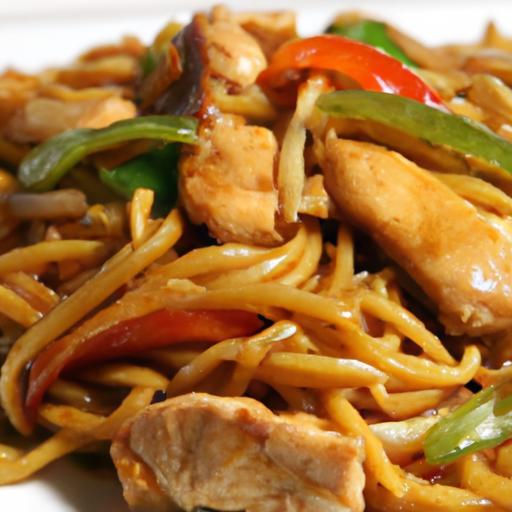
Unlock Umami: The Secret to Perfect Chicken Lo Mein Sauce
There's a universally comforting dish that instantly brings to mind cozy nights, speedy weeknight dinners, and the satisfying aroma of your favorite Chinese takeout: Chicken Lo Mein. But what truly elevates a good bowl of lo mein to an *unforgettable* one? It's not just the juicy chicken or the perfectly cooked noodles; it's that luscious, savory, glossy sauce. The secret to transforming a simple stir-fry into a culinary masterpiece lies in mastering its umami-rich foundation. Forget the guilt or MSG bloat of some takeout options – we're about to dive into crafting a homemade chicken lo mein that ticks every single box, especially when it comes to that irresistible sauce.
For years, this classic dish has quietly reigned supreme, outshining trendy stir-fries and earning its spot as a forever favorite in countless kitchens. Why? Because it delivers on every front: it’s quick, incredibly satisfying, and tastes just like your beloved restaurant version. And yes, you might just find yourself wanting to double the sauce and eat it cold straight from the container – we won't tell!
The Umami Powerhouse: Crafting the Perfect Chicken Lo Mein Sauce
The sauce is, without a doubt, the star of any truly exceptional chicken lo mein. It’s what gives the noodles their signature glossy sheen, their clingy texture, and their deep, complex flavor. This isn't just about throwing a few ingredients together; it's about a harmonious blend that hits all the right notes: salty, sweet, aromatic, and, most importantly, umami-packed. Let's break down the key components that make this sauce truly magical:
- Soy Sauces (Plural!): You'll typically want both regular (or light) soy sauce for its foundational saltiness and depth, but the true game-changer is dark soy sauce. This often-overlooked ingredient is the secret to achieving that deep, rich, authentic color you associate with takeout lo mein, along with an extra punch of umami. If you've ever wondered why your homemade lo mein looked a bit pale, dark soy sauce is likely the missing link. It’s worth adding to your pantry!
- Oyster Sauce: A cornerstone of many Asian stir-fries, oyster sauce provides a concentrated burst of savory, slightly sweet umami. Its thick consistency also contributes to the sauce's ability to coat the noodles beautifully.
- Hoisin Sauce: Adding a wonderful balance of sweet, tangy, and savory notes, hoisin sauce contributes to the complexity and richness of the overall flavor profile.
- Brown Sugar: A touch of brown sugar balances the savory and salty elements, adding a subtle sweetness and helping the sauce caramelize slightly as it cooks, enhancing its glossiness.
- Sesame Oil: Added at the end, a drizzle of toasted sesame oil infuses the entire dish with its distinctive nutty aroma, elevating the sensory experience.
- White Pepper: A pinch of white pepper provides a subtle, characteristic warmth that rounds out the flavors.
This carefully calibrated combination creates a sauce that not only tastes incredible but also transforms the dish visually. It clings to every strand of noodle and every piece of chicken, ensuring each bite is bursting with flavor. Pro tip: If you love your lo mein extra saucy, or plan on enjoying leftovers (which, let's be honest, you will!), consider doubling the sauce recipe. The noodles are masters at soaking up every delicious drop!
Beyond the Sauce: Elevating Your Chicken Lo Mein Experience
While the sauce is the star, the supporting cast of ingredients and your cooking technique are equally vital for a truly authentic and delicious chicken lo mein. Here's how to ensure every element sings in harmony:
The Perfect Protein: Tender Chicken, Expertly Prepared
For your chicken, both chicken breast and thighs work wonderfully. Chicken breast is a popular choice due to its quick cooking time and ability to absorb flavors, while thighs offer a slightly juicier texture. Whichever you choose, the key is to slice the chicken thinly. This ensures rapid cooking and keeps the meat wonderfully tender.
But here’s a critical step that often gets skipped: briefly marinate your chicken! Even just 10-15 minutes in a simple mixture of soy sauce, minced garlic, and grated ginger makes a dramatic difference. This quick soak seasons the chicken from the inside out, infusing it with flavor and ensuring it doesn't taste bland against the rich sauce. The flavor difference between unmarinated and even briefly marinated chicken is truly "wild," as seasoned cooks will attest.
Noodle Nirvana: Choosing Your Canvas
The term "lo mein" itself comes from the Cantonese "lou min," meaning "stirred noodles," highlighting their central role. For the best chicken lo mein, smooth, slippery lo mein noodles are ideal as they effectively grab and hold onto that amazing sauce. However, this is a no-judgment zone! If you can't find specific lo mein noodles, don't despair. Chinese egg noodles, spaghetti, linguine, or even ramen noodles can step in beautifully in a pinch. The goal is saucy noodle bliss, regardless of the exact noodle shape.
If you've ever pondered the distinction between your favorite noodle dishes, you might wonder, "Chicken Lo Mein vs. Chow Mein: Your Saucy Noodle Guide" is a great resource. In short, lo mein is known for its saucier, richer flavor profile, while chow mein tends to be lighter and crunchier.
Veggie Versatility: Freshness and Color
Stir-fries are incredibly forgiving when it comes to vegetables. While classics like sliced mushrooms, cabbage, carrots, and onions are fantastic, feel free to "use what you've got." Bell peppers, snow peas, broccoli florets, baby corn, or even bok choy can be tossed in. The goal is a vibrant mix of colors and textures that provide freshness and a satisfying crunch against the soft noodles and tender chicken.
Mastering the Stir-Fry: Tips for Takeout-Quality Results
Achieving that coveted takeout quality in your chicken lo mein isn't just about the ingredients; it's also about technique. Stir-frying is a fast-paced cooking method, and a few key practices can make all the difference:
- Mise en Place is Your Best Friend: This French culinary term means "everything in its place." Before you even turn on the heat, have all your chicken sliced, vegetables chopped, and sauce ingredients measured and mixed. Stir-fries move at lightning speed; having everything prepped prevents panic and ensures a smooth, successful cooking process. This is the ultimate time-saver that truly saves dinner from disaster.
- High Heat is Key: Whether you're using a traditional wok or a large skillet, let it get *screaming hot* before adding any ingredients. High heat is essential for achieving that characteristic "wok hei" – the smoky, slightly charred flavor you find in restaurant stir-fries. It also ensures your ingredients sear quickly rather than steam.
- Don't Overcrowd the Pan: Cooking in batches, especially the chicken, allows each piece to sear properly and develop flavor. Overcrowding lowers the pan's temperature, leading to steamed, rather than stir-fried, ingredients.
- Add Ingredients in Stages: Cook the chicken first, remove it, then stir-fry the harder vegetables, followed by the softer ones. Finally, add the cooked noodles and the prepared sauce, tossing quickly to coat everything evenly.
By following these principles, you'll be well on your way to creating a homemade chicken lo mein that rivals, if not surpasses, your favorite takeout. Remember, this entire delicious journey can be completed in around just 30 minutes, making it the ultimate weeknight hero.
Conclusion
The journey to perfect chicken lo mein begins and ends with understanding its heart: the sauce. By carefully selecting ingredients like dark soy sauce for color and umami, along with oyster, hoisin, and sesame oil, you unlock a depth of flavor that defines this beloved dish. Couple this with thoughtful chicken preparation, flexible noodle choices, vibrant vegetables, and proper stir-frying techniques, and you have a recipe for consistent success. This isn't just a meal; it's an experience – a delicious, satisfying, and truly homemade rendition of a takeout classic that checks every single box. So, gather your ingredients, fire up your pan, and prepare to unlock the umami secret to your new favorite homemade chicken lo mein.
